Finance
How Calculating the Hidden Cost of Convenience Spending Across a Single Month Exposes What Comfort Is Actually Costing You
Tracking every convenience purchase across a single month reveals how much daily comfort is quietly draining your budget — and which habits are worth keeping.
By Robert Kim | Nov 08, 2026
What a Targeted Savings Rate Review Every Six Months Reveals About Whether Your Financial Goals Are Still Aligned With Your Actual Life
A savings rate set a year ago may no longer reflect your actual income, obligations, or goals. Reviewing it every six months reveals the gaps that annual planning consistently misses.
By Robert Kim | Nov 05, 2026
How Calculating the Per-Use Cost of Every Major Purchase Shifts Buying Decisions Away From Sticker Price and Toward Actual Value
The price tag tells you what something costs to buy. Per-use cost tells you what it actually costs to own. Learning to calculate that number before any major purchase quietly transforms how you spend.
By David Park | Nov 01, 2026
What the Difference Between Gross and Net Income Actually Means for Every Financial Decision You Make
Most budgets are built on gross income — the number before taxes — rather than the net income that actually arrives in a bank account. Understanding the difference reshapes borrowing, saving, and every financial decision that follows.
By Jennifer Walsh | Oct 29, 2026
How Keeping a Separate Travel Savings Account Tied to a Specific Trip Goal Changes How Consistently You Actually Fund It
A dedicated savings account named after a specific destination does more than just separate money — it fundamentally changes how consistently and purposefully you fund the trip.
By Robert Kim | Oct 26, 2026

What Happens to Your Monthly Budget When You Move From a Single Joint Account to a Three-Account Household System and How to Make the Transition Without Friction
Switching from one shared account to a three-account household system changes how money moves, how saving behavior develops, and how clearly both partners can see where things stand each month. Here's what to expect and how to make the transition smoothly.
By Sarah Mitchell | Oct 22, 2026

How Treating a Tax Refund as a Separate Financial Event Instead of Found Money Changes How Much of It You Actually Keep
A tax refund feels like free money — but that feeling is exactly what makes it disappear so quickly. Treating it as a planned financial event instead changes how much of it you actually keep.
By Emily Rodriguez | Oct 19, 2026

What Happens to Your Tax Liability When You Start a Side Hustle and the Quarterly Estimated Payments Most First-Timers Miss
Starting a side hustle shifts tax responsibility entirely onto the earner, including self-employment tax and quarterly estimated payments that most first-timers don't realize they owe until it's too late.
By Sarah Mitchell | Oct 15, 2026

How Using a 48-Hour Rule for Non-Essential Purchases Above a Set Dollar Threshold Quietly Eliminates Regret Spending
The 48-hour rule is a simple strategy that creates a deliberate pause before non-essential purchases, quietly reducing regret spending without requiring strict willpower or complex budgeting systems.
By Robert Kim | Oct 12, 2026

What Happens to a Five-Year Financial Plan When Inflation Outpaces Your Raise and How to Recalibrate Without Starting Over
When inflation outpaces a raise, a five-year financial plan doesn't collapse — it drifts. Here's how to identify what's shifting and recalibrate without starting from scratch.
By Sarah Mitchell | Oct 08, 2026

How Using a Separate 'Friction Account' for Impulse Categories Forces a Pause That Reduces Unplanned Spending
A friction account routes impulse spending categories into a separate account with a built-in transfer delay, creating a pause that turns reflexive purchases into deliberate choices.
By Robert Kim | Oct 05, 2026

What a Bare-Bones Budget Exercise Reveals About Your Actual Financial Floor and Why Every Household Should Know That Number
A bare-bones budget strips every discretionary expense away to reveal the minimum a household truly needs to survive financially. Knowing that number changes how families plan emergencies, evaluate income changes, and make spending decisions.
By Marcus Chen | Oct 01, 2026

How Mapping Fixed Versus Discretionary Expenses Into Two Separate Budgets Gives You Clearer Control Than One Unified Spending Plan
Separating fixed and discretionary expenses into two distinct budgets replaces the blur of a unified spending plan with a clearer, more actionable picture of where your money actually goes.
By Marcus Chen | Sep 28, 2026

What Happens to Your Retirement Timeline When You Increase Your Savings Rate by Just Two Percent and Why the Gap Is Larger Than Any Calculator Makes It Look
A two-percent increase in retirement savings rate seems minor, but it reshapes timelines in ways most calculators fail to capture. This piece explains why the gap is larger than it looks and how to act on it.
By Robert Kim | Sep 24, 2026

How Calculating Your True Hourly Rate After Taxes and Expenses Reframes Every Spending Decision You Make
Your gross salary isn't what you actually earn — calculating your true hourly rate after taxes and work expenses reveals a more honest figure that quietly transforms how every spending decision gets made.
By Robert Kim | Sep 21, 2026

What Happens to Your Insurance Premiums When You Bundle Policies and How to Verify the Savings Are Actually Real
Bundling home and auto insurance often promises lower premiums, but verifying whether those savings are real requires more than accepting the discount at face value. Here's how to run the numbers honestly.
By Sarah Mitchell | Sep 18, 2026

How Keeping a Rolling 12-Month Expense Average Reveals Spending Patterns That Monthly Snapshots Consistently Hide
Monthly budget snapshots reveal what happened — a rolling 12-month expense average reveals what's actually happening. Here's how the longer view changes what you see.
By Robert Kim | Sep 15, 2026

What Happens to Your Monthly Cash Flow When You Refinance a Personal Loan and How to Decide If the Math Actually Works in Your Favor
Refinancing a personal loan can lower monthly payments, but the true impact on cash flow depends on fees, loan terms, and total repayment cost — not just the interest rate comparison.
By Sarah Mitchell | Sep 12, 2026

How Keeping a Separate Account for Variable Expenses Like Car Repairs and Medical Bills Reduces Financial Anxiety Between Paychecks
A dedicated account for variable expenses like car repairs and medical bills removes the psychological sting of unexpected costs and reduces financial anxiety between paychecks. Learn how to set one up and keep it working.
By Marcus Chen | Sep 09, 2026

What Indexed Universal Life Insurance Actually Costs Beneath the Sales Pitch and When a Term Policy Serves Most Families Better
Indexed universal life insurance carries significant internal costs that aren't always apparent during the sales process. For most families, a straightforward term policy delivers better value and clearer protection.
By Robert Kim | Sep 06, 2026

How Using a High-Yield Savings Account as a Bill-Holding Buffer Earns Interest on Money You Were Going to Spend Anyway
A high-yield savings account used as a bill-holding buffer earns interest on money you're already committed to spending — no lifestyle changes required, just smarter timing.
By Robert Kim | Sep 02, 2026

What Happens to Long-Term Savings When You Delay Starting by Just Three Years and How to Recover Lost Ground
Delaying savings by just three years costs far more than most people realize, thanks to the compounding growth that never gets to occur. Here's what that gap actually looks like and how to start closing it.
By Sarah Mitchell | Aug 30, 2026

How Threshold-Based Budgeting Helps Freelancers and Gig Workers Manage Irregular Monthly Income
Threshold-based budgeting gives freelancers and gig workers a flexible financial framework that adapts to irregular income by triggering specific spending and saving decisions at each income level.
By Marcus Chen | Aug 27, 2026

What Opportunity Cost Actually Means for Everyday Spending Decisions and How to Apply It Without a Finance Degree
Opportunity cost is one of the most powerful ideas in personal finance — and it requires no formal training to use. Understanding what's given up with every spending decision can quietly reshape how money is managed over time.
By Sarah Mitchell | Aug 23, 2026

How Timing Large Purchases Around Retailer Markdown Cycles Saves More Than Coupon Hunting Ever Will
Retail pricing follows predictable markdown cycles that repeat year after year — and learning to time your large purchases around those cycles consistently outperforms coupon hunting by a wide margin.
By Jennifer Walsh | Aug 20, 2026

What Net Worth Tracking on a Quarterly Basis Reveals That Monthly Budgeting Alone Cannot Show You
Monthly budgeting tracks spending, but quarterly net worth reviews reveal whether you're actually building wealth. Here's what that broader view makes visible.
By Jennifer Walsh | Aug 15, 2026

How Splitting Direct Deposits Across Two Accounts at Payroll Level Automates the Pay-Yourself-First Principle
Splitting your direct deposit across two accounts at the payroll level removes saving from your to-do list entirely — here's how to set it up and make it stick.
By Robert Kim | Aug 12, 2026

What Bond Laddering Offers Everyday Savers Who Want Predictable Income Without Stock Market Exposure
Bond laddering gives everyday savers a structured way to generate predictable income without stock market exposure by holding bonds that mature at staggered intervals. The strategy reduces interest rate risk, delivers scheduled cash flow, and works across Treasury, municipal, and corporate bond markets.
By Sarah Mitchell | Aug 09, 2026
How Zero-Based Budgeting for a Single Month Resets Spending Habits Better Than Year-Long Plans
Year-long budget plans tend to collapse under the weight of outdated assumptions. One month of zero-based budgeting offers a focused reset that rebuilds spending habits from the ground up — and the results tend to last.
By Marcus Chen | Aug 06, 2026

What the Debt Avalanche Method Actually Looks Like in Practice and Why the Math Beats Motivation-Based Payoff Plans
The debt avalanche method targets high-interest balances first to minimize total interest paid — and understanding how it works in practice reveals why it consistently outperforms motivation-based payoff strategies.
By Marcus Chen | Aug 03, 2026

How Automating Micro-Transfers to a Separate Account Builds an Emergency Fund Without Feeling the Pinch
Automating small, recurring transfers to a separate savings account is one of the most effective ways to build an emergency fund without disrupting your daily budget or relying on willpower.
By Sarah Mitchell | Jul 31, 2026

What Lifestyle Creep Actually Costs Over a Decade and How to Recognize Its Early Warning Signs
Lifestyle creep quietly erodes long-term financial security by absorbing every income increase into higher spending. Learn what it costs over a decade and how to spot its earliest warning signs.
By Sarah Mitchell | Jul 28, 2026

How Laddering Short-Term CDs Builds a Flexible Savings Strategy Without Locking Up All Your Cash
CD laddering spreads savings across multiple short-term certificates of deposit with staggered maturity dates, giving savers competitive interest rates without locking up all their cash at once.
By Robert Kim | Jul 24, 2026

What Happens to Your Credit Score When You Close Old Accounts and How to Decide Wisely
Closing an old credit account can trigger unexpected drops in your credit score by affecting history length and utilization ratios. Learn what drives those changes and how to weigh the decision carefully before acting.
By Sarah Mitchell | Jul 21, 2026

How Negotiating Recurring Bills Annually Can Quietly Recover Hundreds in Household Spending
Most households overpay for recurring services simply by never questioning the price. A focused annual review of your bills — from internet and insurance to streaming and fitness memberships — can recover meaningful money without cutting anything you actually use.
By Marcus Chen | Jul 18, 2026

What Credit Utilization Ratios Actually Signal to Lenders and How to Use That Knowledge
Credit utilization ratios tell lenders far more than a simple percentage. Understanding what those numbers actually communicate can help borrowers make smarter credit decisions.
By Sarah Mitchell | Jul 15, 2026

How Sinking Funds for Predictable Annual Expenses Eliminate Financial Surprises
Predictable annual expenses don't have to feel like financial surprises. Sinking funds let you break large, recurring costs into manageable monthly savings so you're always prepared.
By Marcus Chen | Jul 11, 2026

How Envelope Budgeting With Digital Wallets Modernizes a Classic Cash-Management Method
The classic envelope budgeting method gets a practical upgrade with digital wallets and apps that replicate its core logic without the paper and cash. Here's how to make it work for your real spending life.
By Marcus Chen | Jul 01, 2026
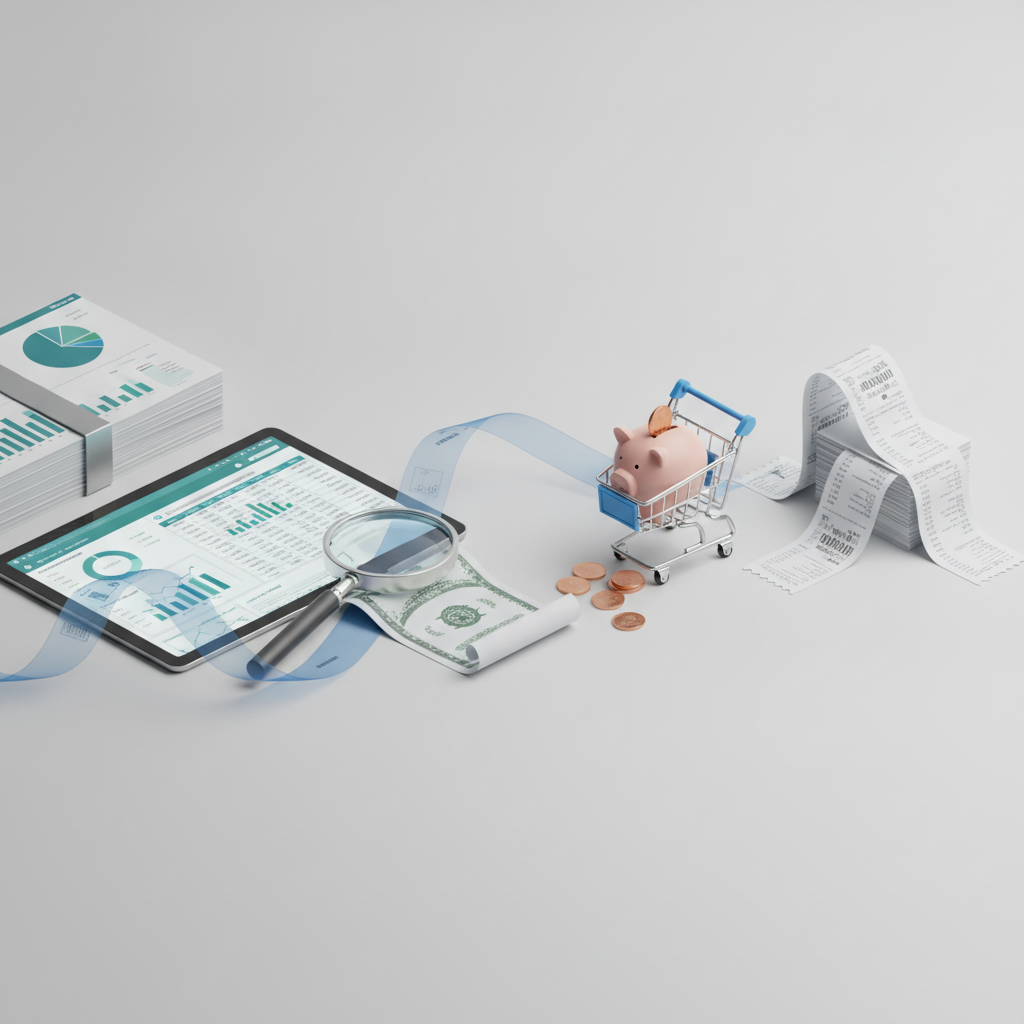
How Spending Audits Every 90 Days Can Reveal Hidden Budget Leaks
A quarterly spending audit helps you spot forgotten subscriptions, category overages, and silent budget leaks before they compound. Here's how to run one effectively every 90 days.
By Marcus Chen | Jun 27, 2026

Surviving and Thriving in Winter on a Tight Budget
By Aiden Reese | Mar 13, 2026

Building the Ultimate Winter Wardrobe for Any Budget
By Julian Styles | Feb 24, 2026

How to Make the Most of Winter With Fun Seasonal Activities
By Aiden Reese | Feb 17, 2026

Winter Self-Care Hacks for Skin, Hair, and Overall Health
By Scarlett Brooks | Nov 11, 2024

How to Stay Active and Healthy During the Cold Months
By Benjamin Lee | Nov 11, 2024

Winter-Proof Your Home in 10 Easy Steps
By Peyton Sawyer | Nov 11, 2024

Essential Car Prep for Safe Winter Driving
By Peyton Sawyer | Nov 11, 2024

Cooking Comfort Foods to Keep the Winter Blues Away
By Lila Rose | Nov 11, 2024