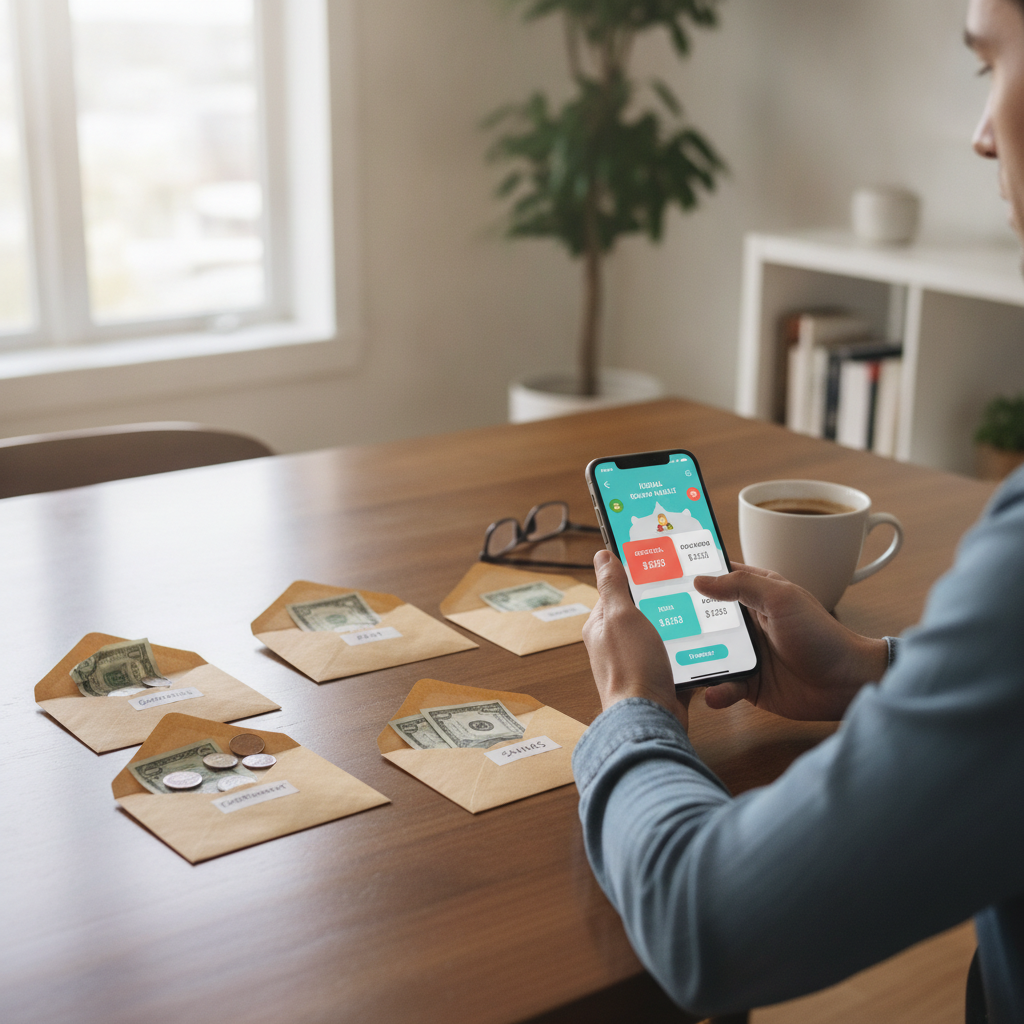
Stuffing cash into labeled envelopes used to be one of the most reliable ways to keep spending in check — but carrying around a stack of paper envelopes in 2026 feels a little out of step with how most people actually live. The good news is that the core idea behind envelope budgeting hasn't aged a bit. What's changed is the packaging. Digital wallets and budgeting apps have made it genuinely practical to run a classic cash-envelope system without ever touching physical money.
The method works because it creates hard limits. When the money in an envelope is gone, spending in that category stops. That psychological guardrail is the whole point, and digital tools replicate it surprisingly well — sometimes better than paper ever could.
Start With a Honest Look at Your Spending Categories
Before you set up a single digital envelope, you need a clear picture of where your money actually goes. Pull up the last two or three months of bank and credit card statements and sort charges into broad buckets — groceries, dining out, transportation, entertainment, personal care, and so on. Don't overthink the categories at first. You're looking for patterns, not perfection. Most people discover at least one or two spending areas that are quietly eating more of their budget than they realized. That awareness is the foundation everything else gets built on.
Choose an App That Mirrors the Envelope Logic
Not every budgeting app replicates the envelope method properly. YNAB (You Need a Budget) is probably the most well-known tool built explicitly around this philosophy — every dollar gets assigned a job before it's spent. Goodbudget takes a more literal approach, letting you create named envelopes and allocate funds directly into them. Both apps sync across devices and work with digital payment habits. If you're already using a bank like Chime or a platform like Apple Pay, check whether your bank's native budgeting tools offer category limits before adding another subscription.
Assign Every Dollar a Category Before the Month Starts
The discipline that makes envelope budgeting effective is front-loading the decisions. At the start of each pay period, divide your take-home income across your categories before any spending happens. This is called zero-based budgeting — income minus all assigned categories equals zero. It sounds rigid, but it's actually freeing. You're not guessing whether you can afford a dinner out; the dining envelope either has money or it doesn't. That removes a lot of the low-grade financial anxiety that builds up when you're mentally tracking spending on the fly.
Set Up Separate Accounts or Sub-Wallets Where Possible
Some banks make envelope budgeting even more concrete by letting you open multiple savings pockets or sub-accounts within a single login. Ally Bank's "buckets" feature and SoFi's savings vaults are good examples of this approach. When you physically separate funds — even digitally — the boundary between categories feels more real. You're less likely to rationalize pulling from the grocery account to cover a night out if you actually have to move money between accounts to do it. That small amount of friction matters more than it sounds.
Treat Your Digital Envelope as a Spending Ceiling, Not a Goal
One common mistake is treating a category budget as an amount you're supposed to spend, rather than the most you're allowed to spend. Your grocery envelope isn't a target — it's a ceiling. If you come in under budget some weeks, that leftover can roll into a buffer for leaner weeks, or you can redirect it toward savings. This reframe shifts the mindset from "I have this much to spend" to "I have at most this much available." It's a subtle difference in wording, but it changes how you approach every purchase in that category.
Build a Buffer Envelope for the Irregular Stuff
One weakness of traditional envelope budgeting was handling irregular expenses — car registration, annual subscriptions, a dental visit that wasn't fully covered by insurance. Digital systems handle this much more gracefully. Create a catch-all buffer envelope or a "sinking fund" category, and contribute a small fixed amount to it every month. When an unexpected but not entirely surprising expense shows up, the money is already sitting there. Apps like YNAB make sinking funds easy to track, so you always know how much is available without doing mental math.
Review and Adjust Envelopes Every Month
Your spending categories aren't set in stone. Life shifts — a new commute, a change in grocery prices, a streaming service you stopped using. At the end of each month, spend ten or fifteen minutes reviewing how each category performed. Did you consistently run out in one envelope while another sat mostly untouched? Reallocate accordingly. The goal is a budget that reflects how you actually live, not an idealized version of it. Regular adjustments keep the system honest and prevent the quiet abandonment that kills most budgeting attempts.
Use Digital Receipts and Notifications to Stay Real-Time Aware
One advantage digital envelope budgeting has over the paper original is instant feedback. Most banking apps and budgeting tools send push notifications when a transaction hits, and many will tell you exactly how much remains in a category after each purchase. Turn those notifications on, at least for the first few months. Real-time awareness is what bridges the gap between budgeting on paper and actually changing behavior. Over time, the habit becomes second nature and you won't need the constant reminders — but in the early stages, they're genuinely useful.
The envelope method has outlasted decades of financial trends because the underlying logic is sound: constrain the category, control the outcome. Digital tools don't change that logic — they just make it easier to stick to without managing a wallet full of cash. As more banks build envelope-style features directly into their apps and digital wallets become more integrated with everyday payment habits, this approach is only going to get more accessible. Getting comfortable with it now means you're ahead of where most people's financial habits are still catching up.