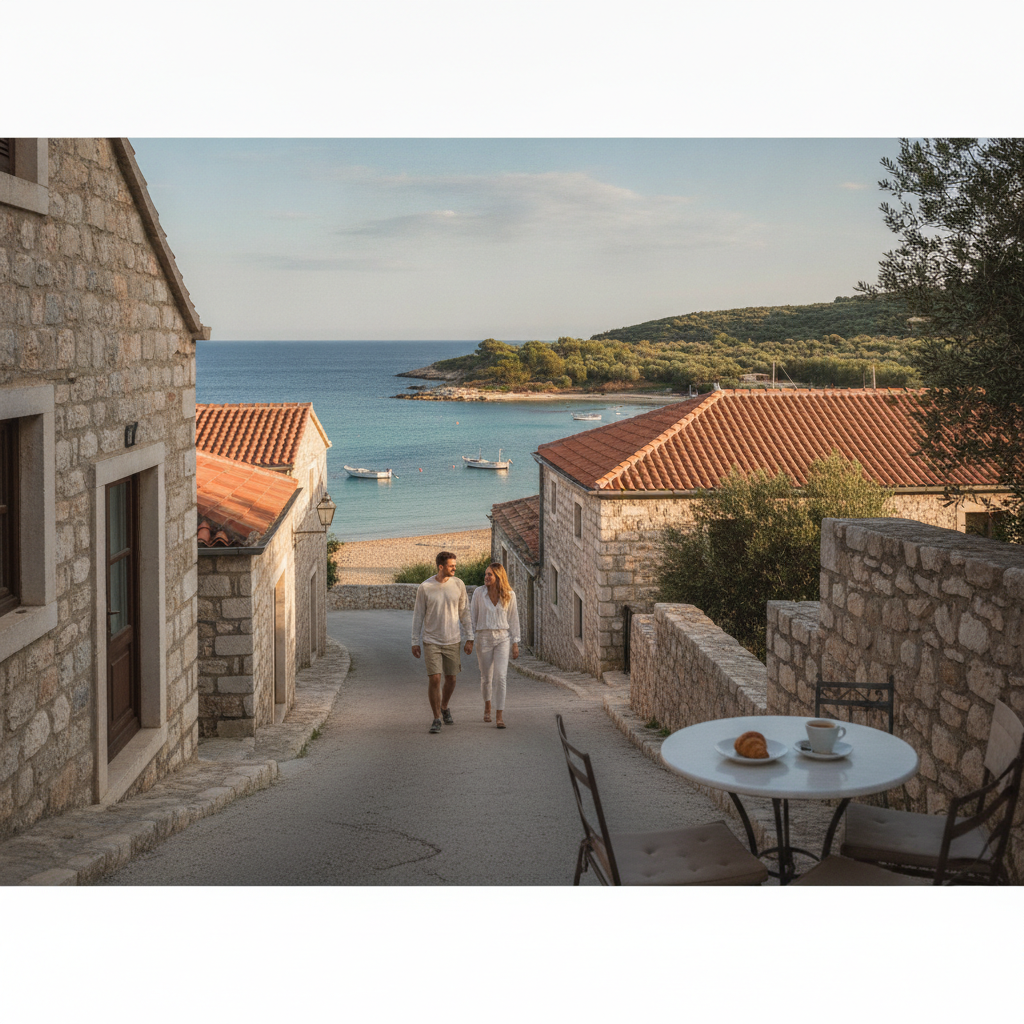
The Mediterranean doesn't belong to summer. That's something frequent travelers to the region have quietly known for years, and it's one of the more liberating realizations you can have when planning an international trip. The stretch of weeks just before and after peak summer — typically April through early June and again from mid-September through October — offers a version of Greece, Italy, Croatia, and Spain that most tourists simply never see. The crowds thin, the prices drop, and the experience often becomes richer for it.
The Sweet Spot Between Crowds and Comfort
Shoulder season isn't some obscure travel hack — it's a well-recognized pattern that smart travelers have been using for decades. The window from late April to early June gives you genuinely warm weather, longer daylight hours, and cultural sites that you can actually move through without being packed like cargo. The fall shoulder window, particularly September and October, is arguably even better. The sea is still warm from summer, harvest festivals are in full swing across rural Italy and southern Spain, and the light is extraordinary for anyone who enjoys photography or simply soaking in scenery.
What the Weather Actually Looks Like
A common concern is that shoulder season means unpredictable or cold weather. In practice, Mediterranean climates are among the most stable in the world during these transitional months. Athens in May averages temperatures well into the mid-70s Fahrenheit. The Amalfi Coast in early October is still warm enough for short sleeves and afternoon swims. You might encounter the occasional rainy afternoon in places like Dubrovnik or Barcelona, but that rarely derails a trip — it just shifts you toward a long lunch or an afternoon in a local museum.
Flights and Hotels Cost Noticeably Less
The price difference between peak summer travel and shoulder season travel to Mediterranean destinations is real and consistent. Airlines reduce fares when demand drops, and hotels — particularly smaller boutique properties and family-run pensiones — often cut rates by a meaningful margin to keep occupancy up. If you're booking flights, apps like Google Flights and Hopper are worth using side by side. Google Flights gives you a clear calendar view of price fluctuation, while Hopper's fare prediction tool can tell you whether to book now or wait a few more days.
Getting More From Your Accommodation Budget
With lower base rates, your accommodation budget stretches further, and that's where the experience often upgrades significantly. A budget that would put you in a standard chain hotel in July might cover a converted farmhouse in Tuscany or a sea-view room in Santorini come May or October. Booking platforms like Airbnb are also worth browsing during shoulder season because hosts are more likely to negotiate on price or waive minimum-stay requirements when their calendars aren't filling automatically.
Cultural Access Opens Up in a Different Way
Some of the Mediterranean's most iconic sites — the Colosseum in Rome, the Acropolis in Athens, the old city of Dubrovnik — are genuinely difficult to experience meaningfully in July and August. You're often shuffling through dense crowds with limited ability to pause, absorb, or photograph without strangers in every frame. During shoulder season, those same sites become something closer to what they should be: places that invite reflection rather than endurance. You can sit at the edge of a ruin and actually think about what you're looking at.
Local Life Becomes Part of the Trip
When tourism pressure eases, the local character of a place reasserts itself. Markets in Palermo function as markets — not as tourist attractions. Tavernas in coastal Greek villages are full of regulars, and restaurant staff have time to talk to you about the menu. This kind of low-key, genuine interaction is often what people remember most vividly from a trip. It's not something you can manufacture, but it becomes far more available when you're not competing with millions of other visitors for the same narrow window of summer weeks.
Planning Around Local Calendars Pays Off
Shoulder season coincides with some of the Mediterranean's most rewarding local events. Greece's Easter celebrations, which typically fall in April or early May, are a culturally significant experience that few foreign visitors ever witness. Italy's harvest festivals run through October across wine-producing regions from Chianti to Sicily. Spain's quieter autumn fiestas and food markets draw locals rather than tour groups. Researching what's happening regionally before you book — rather than just picking a destination and dates — can turn a good trip into an exceptional one.
Using the Right Tools to Time It Well
For trip planning beyond just flights, the Wanderlog app is useful for organizing itineraries and flagging local events by destination and date. Pair that with a quick browse through destination-specific travel forums to get a current read on what shoulder season actually looks and feels like in the specific city or region you're considering. Travelers who've recently returned from a place are usually candid about weather, crowds, and any unexpected closures — all of which are useful when you're trying to lock in the best possible window.
If you've been putting off a Mediterranean trip because peak summer feels too expensive or too hectic, shoulder season is the straightforward answer to both concerns. Start by picking a region that interests you, pull up Google Flights to compare a few date windows in April, May, September, or October, and see what the price difference looks like. That first comparison is often all it takes to shift your planning in a direction that feels both smarter and more exciting.