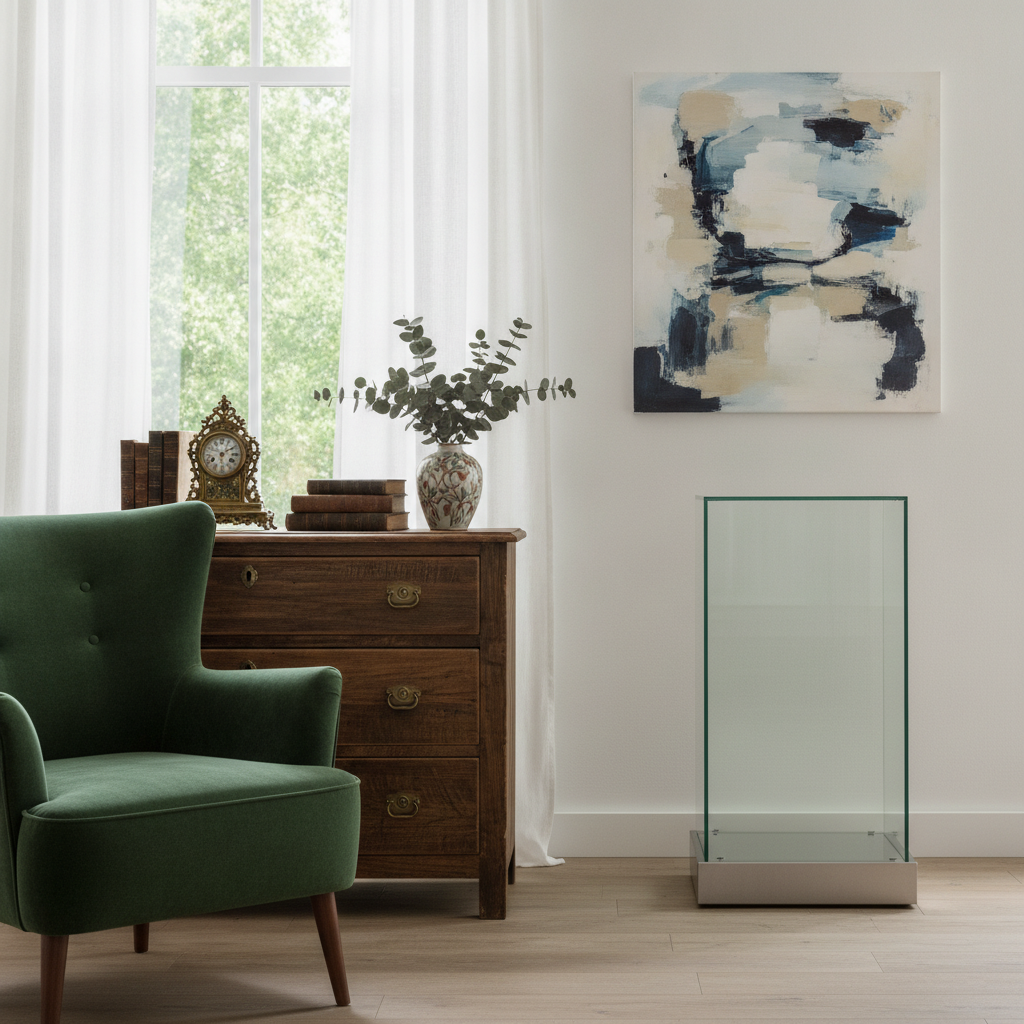
There is a particular kind of stillness that settles over a house the morning of an estate sale. Furniture sits exactly where it has always sat — a mahogany sideboard against the dining room wall, a pair of wingback chairs angled toward a fireplace — and for a few hours, strangers are invited to walk through and consider what to carry home. What they find, more often than not, is something retail stores cannot reliably offer: furniture built to last, marked by time in ways that only add to its appeal, and priced well below what a comparable new piece would cost.
The Quality Gap Between Then and Now
Decades ago, furniture manufacturing operated under different assumptions. Solid wood was standard, joinery was done by hand or with precision machinery, and pieces were expected to outlast their original owners. Much of what surfaces at estate sales in neighborhoods like Pasadena's historic districts or the older suburbs of the Midwest reflects that era of construction. Dovetail joints, mortise-and-tenon frames, and kiln-dried hardwoods are common finds — construction methods that have become rare in mass-market retail. Today's flat-pack and composite alternatives have their place, but they rarely carry the structural integrity of a well-made dresser from the mid-twentieth century. Shoppers who take the time to examine what's on offer at estate sales frequently walk away with pieces that will outlast anything sold in a big-box store.
The concept of *patina* — the surface quality that develops on wood, metal, and leather over years of use — is worth understanding here. In fine furniture circles, patina is not a flaw but a feature, a visible record of a piece's life that no factory finish can replicate. A walnut writing desk that has darkened naturally over fifty years carries a warmth that freshly stained veneers simply don't achieve. Estate sale buyers learn to read patina the way collectors read signatures: as evidence of authenticity, age, and honest use.
What Makes Estate Sales Different from Other Secondhand Markets
Thrift stores, online marketplaces like Facebook Marketplace and Craigslist, and antique malls all offer secondhand furniture, but estate sales occupy a distinct category. Because the contents of an entire home are typically sold in a single event — often managed by professional estate sale companies like EstateSales.net-listed operators or regional firms — buyers encounter furniture in its original domestic context. A dining table is still surrounded by its chairs. A bedroom suite remains intact. This context matters because it helps buyers assess how a piece was used, cared for, and stored. There's also less intermediary markup: the family or estate management company sets prices to move inventory quickly, which means quality items are frequently available at fractions of their actual value.
Estate sales also reward early arrivers. Many experienced buyers arrive before the advertised start time to join the numbered queue that most sales operate, a practice that has its own quiet culture of patience and anticipation. Those who come prepared — with measurements of their space, a phone for reference photos, and a basic knowledge of furniture makers — tend to find the best pieces before they're claimed.
Learning to Spot Value on the Floor
Not everything at an estate sale is a hidden treasure. Some pieces are worn past their useful life, others were never particularly well made, and pricing can occasionally reflect sentimental rather than market value. Developing an eye for quality takes some experience, but a few consistent markers help. Solid wood — identifiable by examining the underside or interior of drawers, where raw wood is exposed — is almost always preferable to particleboard or MDF. Drawer slides should move smoothly and fit squarely. Chair joints shouldn't wobble. Upholstered pieces require closer scrutiny: the frame matters most, since fabric can always be replaced by a professional upholsterer, a service that remains widely available and often costs less than buying new.
Brands and makers worth recognizing include Ethan Allen's older American-made lines, Drexel Heritage, Henredon, and pieces that bear the marks of American craftsmen from the mid-century period. These names appear regularly at estate sales and carry genuine resale and use value. A signed or marked piece is worth researching on the spot.
The Environmental and Economic Logic
Choosing secondhand furniture carries a straightforward environmental benefit that has grown more relevant as manufacturing footprints have come under greater scrutiny. A piece that already exists requires no new raw materials, no shipping from overseas factories, and no additional packaging. For buyers who care about reducing consumption without reducing comfort, estate sale furniture represents a sensible alignment of values and habits. The economic argument is equally clear: a solid hardwood chest of drawers purchased at an estate sale for a modest sum may have retailed new for several times that price, and its structural longevity means it won't need replacing in five years the way cheaper alternatives might.
Making It Your Own
Once a piece comes home, the relationship with it is just beginning. Some buyers prefer to leave estate sale finds exactly as they are — the scratches, the aged hardware, the original finish all part of the appeal. Others take a more active approach: refinishing a tabletop, replacing drawer pulls, or reupholstering a chair seat. Neither approach is wrong, and the flexibility is part of what makes secondhand furniture so adaptable. If you're drawn to a piece but unsure about its finish, consult a local furniture restorer before committing to a DIY project. Small neighborhoods often have craftspeople whose work transforms a tired piece into something genuinely striking.
The habit of looking to estate sales before looking to retail is one that tends to deepen over time. What starts as a practical choice — spending less, getting more — becomes something closer to a way of seeing: an appreciation for things made carefully, used fully, and still worth carrying forward. The stillness of that sale-morning house holds a kind of promise, and for those willing to walk through it with attention, the rewards are more than just material.