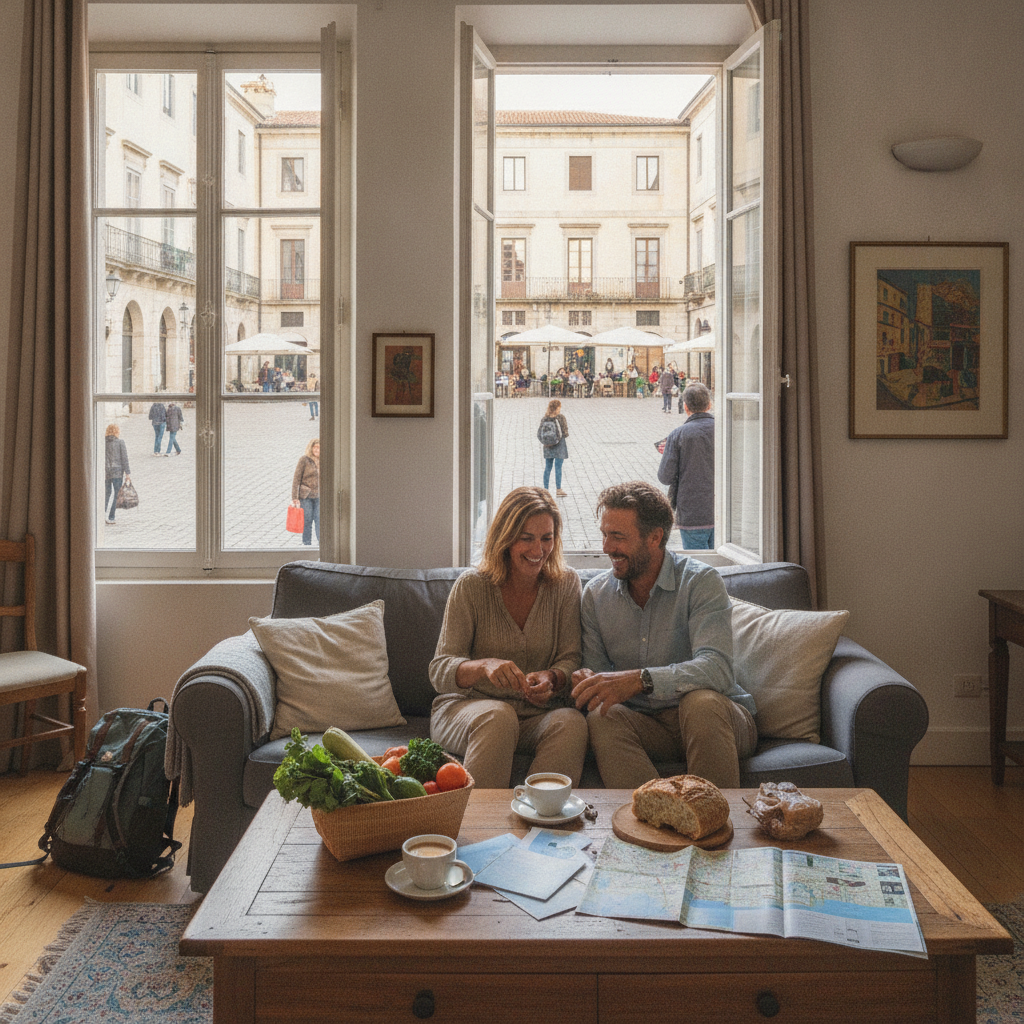
Winter travel has a quiet reputation for being either expensive or uninspiring, but cities in the colder months often reveal their most authentic, unhurried selves to those willing to look past the peak-season playbook. The crowds thin, the pace slows, and — crucially — the cultural calendar fills up in ways that reward travelers who plan with intention. Museums run free-admission evenings, civic centers stage public concerts, and community organizations host events that rarely make it onto glossy travel blogs. For anyone working with a tight travel budget, this combination of lower accommodation rates and rich free programming creates an opening that summer simply doesn't offer.
Why Do Winter Cities Offer So Much Free Cultural Programming?
Cities invest heavily in cultural life during winter partly because local residents need it. When the weather discourages outdoor recreation, municipal arts programs, museum foundations, and civic organizations step in to animate public life. Many major museums — including institutions like the Smithsonian in Washington D.C. and the Art Institute of Chicago — either maintain permanent free-admission policies or schedule regular free evenings that are open to visitors as well as residents. These aren't stripped-down experiences; they're full access to permanent and rotating collections, often accompanied by evening lectures, guided tours, or live performances. Travelers who build their itineraries around these dates access world-class culture at no cost.
How Can You Find Free Nights and Public Events Before You Book?
Research the Museum's Own Calendar First
The most reliable source for free-night schedules is always the museum's own website, and it pays to check this before settling on travel dates rather than after. Many institutions post their free-admission evenings months in advance, which means the dates can actually drive your flight and accommodation search rather than the other way around. If a major art museum in your destination city offers free admission every first Friday evening, that single detail can anchor the entire trip and immediately remove one of the larger potential costs from the itinerary.
Use Apps That Aggregate Local Events
Beyond individual institution websites, platforms like Eventbrite and Meetup surface free civic events, outdoor film screenings, public gallery openings, and community festivals that can fill out several evenings without touching the travel budget. Google Events — accessible directly through a search for events in a specific city during your travel window — has also become a surprisingly effective aggregator for local happenings that wouldn't appear on mainstream travel sites. Spending an hour with these tools before booking can transform a vague city break into a surprisingly full itinerary.
What Kinds of Events Are Worth Building a Trip Around?
Not every free event offers the same depth of experience, and part of planning intelligently is distinguishing between what's genuinely worth an evening and what amounts to light filler. Public symphony performances, museum free nights with extended programming, cultural festivals tied to winter holidays in immigrant communities, and city-sponsored outdoor light installations all tend to offer real substance. In cities like Philadelphia and Seattle, winter cultural programming is particularly dense, with arts districts coordinating gallery walks, free film series, and public performances that cluster on specific evenings each month. When multiple events align on the same night in the same neighborhood, a single evening out can rival a paid itinerary twice its cost.
How Does Accommodation Timing Interact With This Strategy?
Midweek Stays Lower the Baseline Cost
Winter city breaks are most effective on the budget when they lean midweek rather than weekend. Hotel rates in most urban destinations drop noticeably from Sunday through Thursday, and many museum free nights — specifically designed to draw crowds on slower evenings — fall on Thursdays or the first Friday of the month. Arriving Tuesday, spending Wednesday through Friday on the cultural calendar, and departing Saturday morning captures the lowest accommodation rates while still aligning with the best free programming.
Neighborhoods Matter as Much as Hotels
Staying within walking distance of a city's arts district or museum quarter eliminates transportation costs and allows the kind of spontaneous evening wandering that produces unexpectedly good experiences. Areas like Capitol Hill in Washington D.C. or the Museum Campus neighborhood in Chicago put multiple free institutions within easy reach, which changes how an evening feels — less like a scheduled excursion and more like a natural extension of where you already are.
How Do You Build a Day-by-Day Framework Around Free Programming?
The most practical approach is to treat the free cultural calendar as the skeleton of the trip and build everything else around it. Once you've identified which evenings offer free museum access or public events, those dates determine your arrival and departure. Daytime hours in winter cities can be filled with low-cost wandering — public markets, historic neighborhoods, waterfront walks — that costs little and often feels more authentic than the polished tourist circuit. Paid experiences, if any, get slotted into days where the evening is already free, and restaurant spending is kept modest by eating the main meal at lunch, when menus in most cities offer the same quality at meaningfully lower prices.
What Mindset Makes This Kind of Trip Actually Enjoyable?
Traveling on a tight budget works best when the constraints feel like creative parameters rather than deprivations. A winter city break built around free museums and public events isn't a lesser version of a more expensive trip — it's a different kind of trip entirely, one that tends to involve more local texture, quieter spaces, and a pace that allows things to actually register. The Frick Collection in New York on a free evening, or the Detroit Institute of Arts on a weeknight in January, offers an experience that a packed summer weekend simply can't replicate. The budget framework, counterintuitively, often produces the more memorable travel.
The same instinct that makes a traveler pause and look for free museum nights — rather than defaulting to a packed paid itinerary — is the instinct that tends to produce the best trips. Winter cities have always rewarded that kind of attention. The cultural infrastructure is there, the programming is real, and the crowds are gone. All it takes is a bit of advance research, a willingness to let a Thursday evening concert or a first-Friday museum opening set the travel dates, and the recognition that some of the most valuable experiences a city offers cost nothing at all.