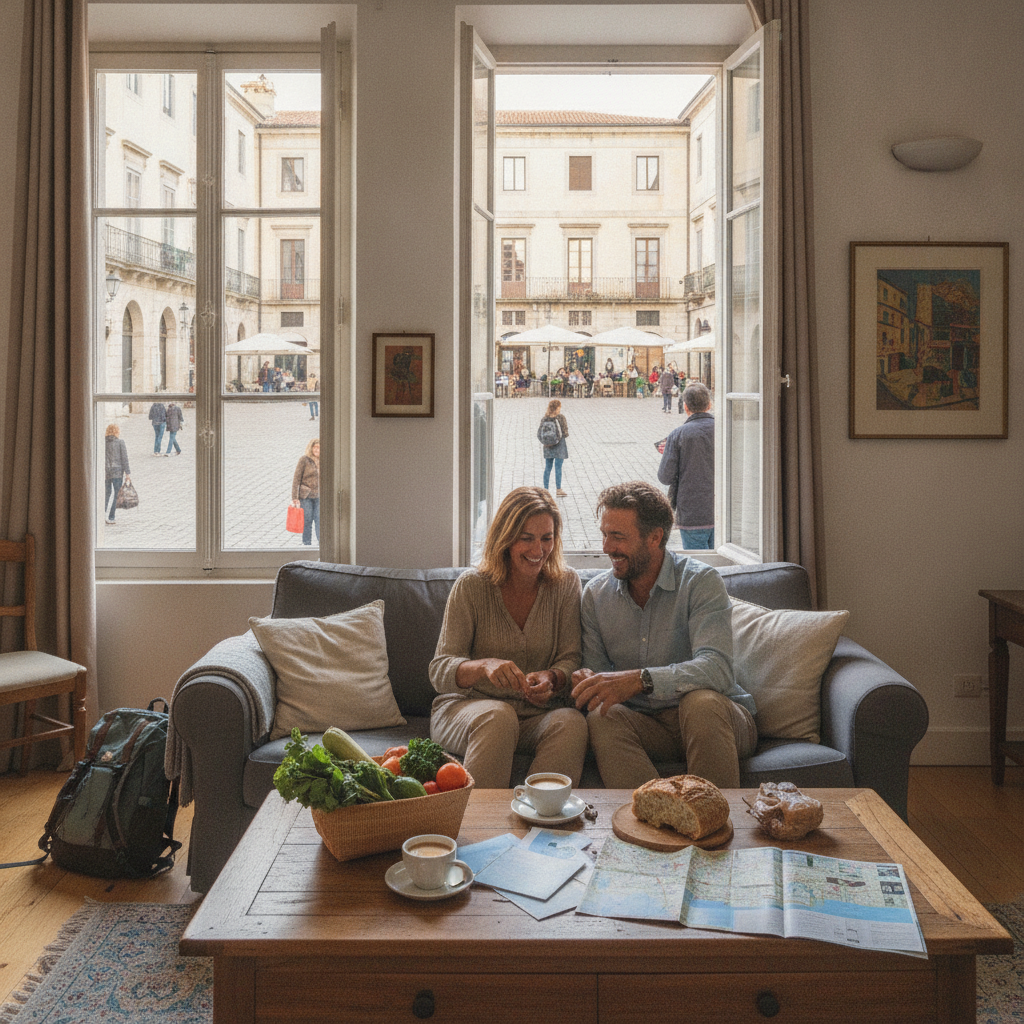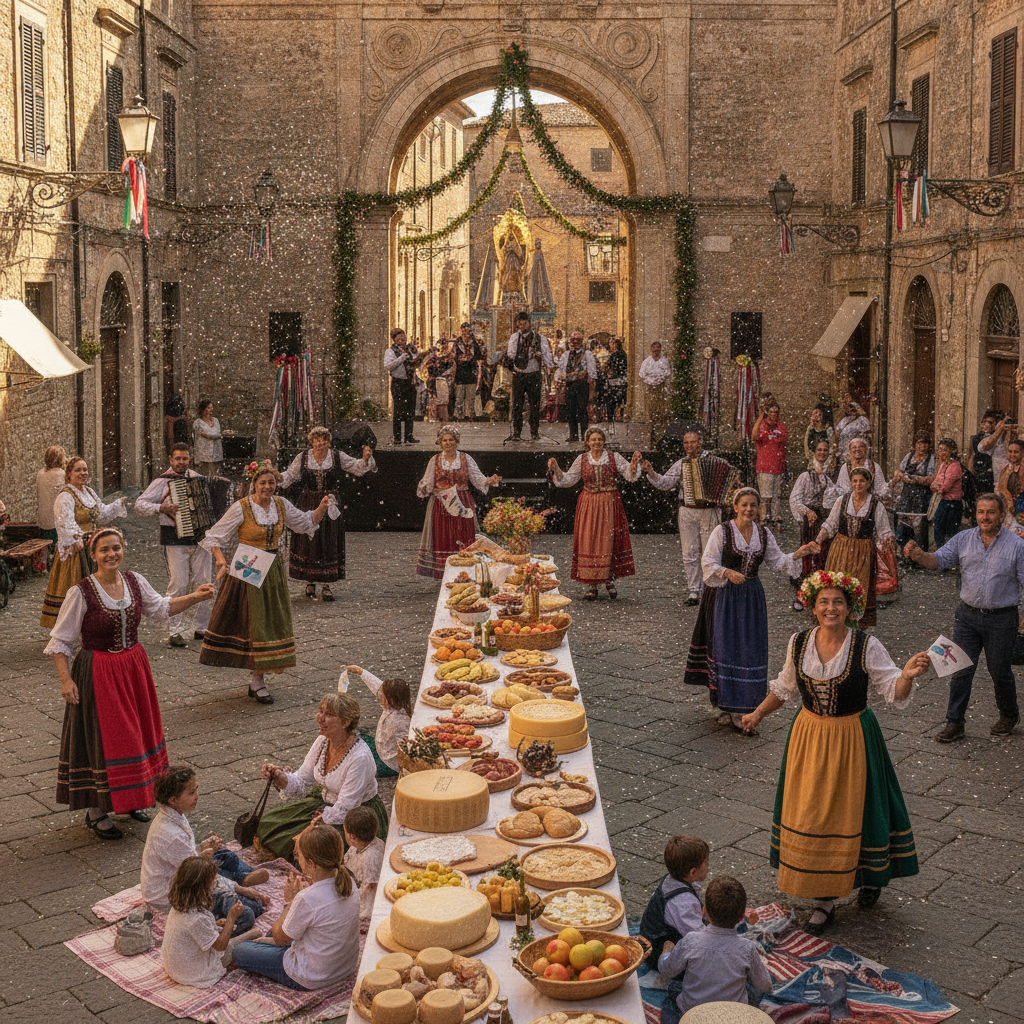
Most tourists move through foreign cities like viewers at a gallery — observing life behind glass, close but not quite touching it. National holidays shatter that glass. When a country pauses to celebrate itself, the rhythms of ordinary life become visible in ways that no guidebook itinerary can manufacture.
What Makes National Holidays Different From Ordinary Travel Days?
On a typical travel day, a city performs for visitors — restaurants open early, museums post English signage, and tuk-tuks idle near hotel exits. On a national holiday, the city performs for itself. Streets fill with processions that have existed for centuries. Families gather in plazas not because they're scenic but because gathering there is tradition. The difference is profound. A traveler present during Thailand's Songkran — the water festival marking the Thai New Year — doesn't observe a celebration; they're absorbed into one, soaked alongside strangers and locals alike in something genuinely communal.
How Do Public Celebrations Reveal a Country's Values?
Every culture celebrates what it holds sacred, and the shape of a celebration reflects a society's deepest priorities. Italy's Ferragosto in August is not merely a beach holiday; it's a collective exhale, a nationwide signal that rest is not laziness but a right. Japan's Obon festival, observed in mid-August, involves lantern-lighting and ancestral remembrance — a public expression of filial devotion that runs through the culture year-round but becomes visible during those specific days. Witnessing these moments provides a kind of contextual education that no museum exhibit can replicate.
Why Do Locals Behave Differently During National Celebrations?
During national holidays, social formality often loosens. Strangers share food. Neighbors who rarely speak find themselves side by side watching the same parade. A traveler in Oaxaca during Día de los Muertos — the Day of the Dead observed across Mexico in late October and early November — will find cemeteries transformed into luminous gathering spaces where grief and joy exist simultaneously. This is not performance for tourists; it's a living practice. Being present invites unexpected connection, and locals often welcome curious visitors into the edges of their celebrations with genuine warmth.
What Practical Challenges Come With Holiday Travel?
Traveling during national holidays requires honest preparation. Shops close, transport schedules shift, and accommodation in smaller cities can book out weeks in advance. Lisbon during the Festa de Santo António in June becomes a city of sardines, folk music, and paper decorations — but hotels fill early and restaurant reservations matter. The practical solution is to book accommodations well ahead and treat altered hours not as inconvenience but as an invitation to slow down. Packing a flexible itinerary rather than a rigid schedule transforms closures into wandering time, which is often where the best encounters happen.
How Can Travelers Research the Right Holidays to Attend?
Not every national holiday translates into a traveler's experience. Some are solemn affairs best respected from a distance; others are open, participatory, and deeply welcoming to outsiders. Research matters. Apps like Culture Trip and destination-specific tourism boards often publish guides distinguishing between public and private observances. Reading accounts from travelers who've attended specific celebrations — on forums like Lonely Planet's Thorn Tree — offers ground-level perspective that official sources rarely provide. The goal is to arrive informed enough to participate respectfully, not just photograph from the periphery.
Why Does Holiday Travel Offer Unexpected Budget Advantages?
Counter-intuitively, national holidays can stretch a travel budget in surprising ways. Many cities offer free outdoor concerts, public performances, and open cultural spaces during major celebrations. Edinburgh's Hogmanay, the Scottish New Year's celebration stretching across several days at the end of December, fills the city with free street events alongside ticketed gatherings. Local markets during harvest festivals across Central Europe offer regional food at prices aimed at neighbors, not tourists. The experience-to-cost ratio during these periods often exceeds what standard sightseeing days provide.
What Should Travelers Carry Away Beyond Photographs?
The most enduring souvenir from a national holiday isn't an object — it's comprehension. Understanding why a country stops, gathers, and marks a specific moment provides a frame through which everything else about that place becomes clearer. A traveler who witnesses Diwali in Jaipur doesn't just see light; they begin to understand how light functions as metaphor in Hindu philosophy, in architecture, in daily life. That understanding reshapes how they read a menu, interpret a conversation, or appreciate a building's ornamentation long after they've returned home.
The most meaningful travel has always been less about accumulating destinations and more about gaining perspective. Arriving in a country during its national holidays is one of the most direct paths to that perspective — one that's available to any traveler willing to plan with intention and move through unfamiliar celebrations with curiosity rather than caution. The cities are still there between the holidays. But the soul of a place tends to surface only when it's celebrating itself.