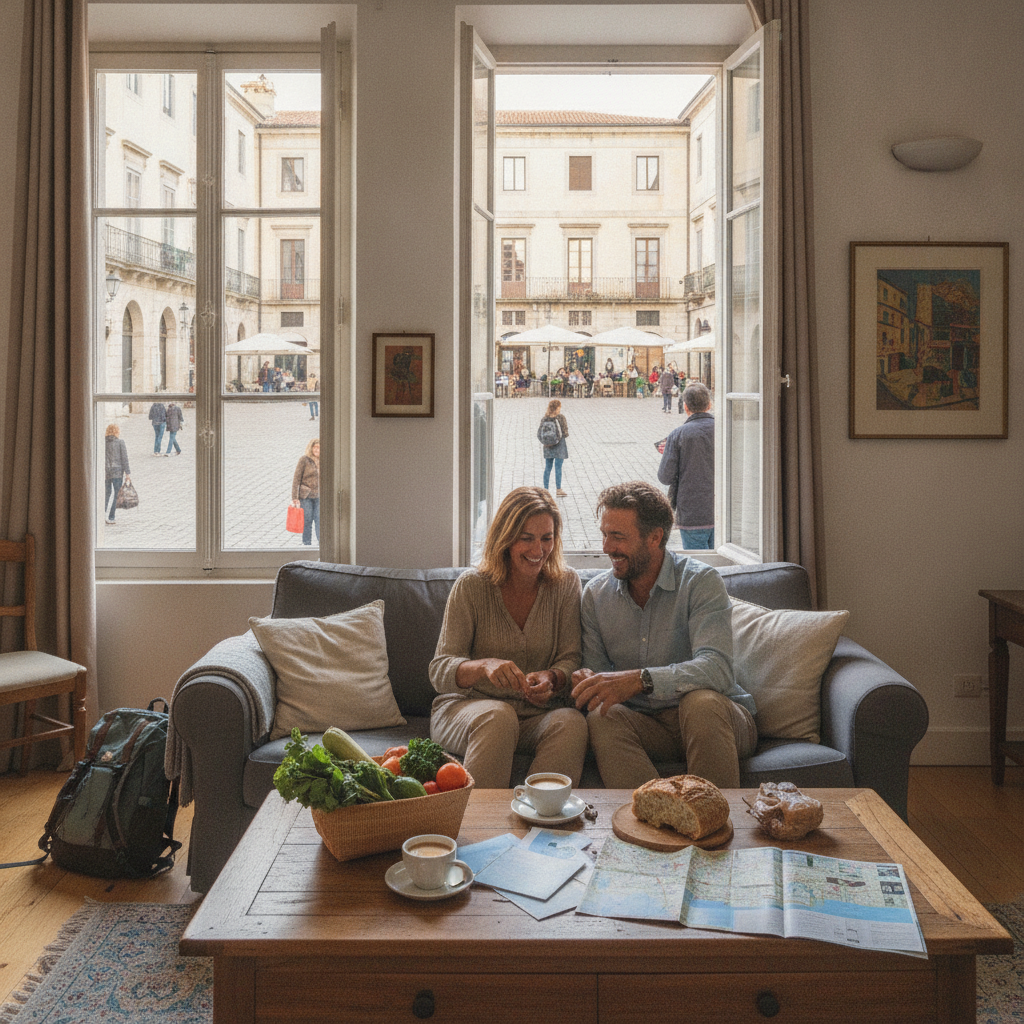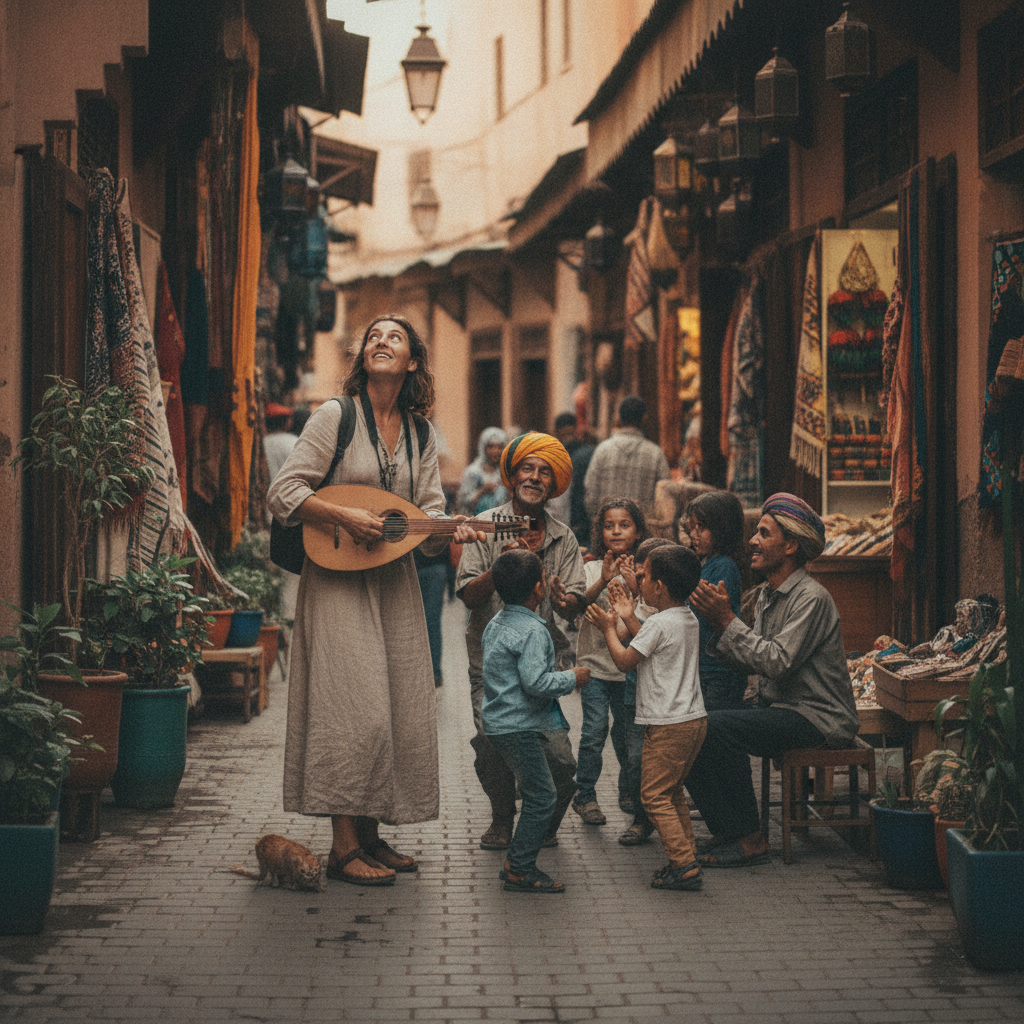
The best travel memories rarely come from the itinerary. They arrive sideways — through a wrong turn, a conversation with a stranger at a café counter, a market discovered simply because someone followed the smell of cardamom down an unfamiliar street. Experienced travelers often speak of this phenomenon with quiet certainty: the scheduled moments are wonderful, but the unscheduled ones tend to last longest in the mind.
The Tyranny of the Tightly Packed Itinerary
Modern travel culture encourages optimization. Apps like TripAdvisor and Google Maps make it easy to fill every hour with attractions, restaurants, and experiences vetted by thousands of reviewers. The result is often a trip that feels more like a checklist than a journey. When every hour is allocated, there's no room for the unexpected — and the unexpected is frequently where travel becomes genuinely transformative. A fully packed schedule trades depth for breadth, efficiency for texture.
What the Free Day Actually Offers
Setting aside one full, structureless day during a trip isn't laziness — it's a form of deliberate openness. Without a destination or obligation, travelers tend to slow down and actually notice where they are. They wander into neighborhoods like the Trastevere quarter in Rome or the Kadıköy district in Istanbul not because a guidebook directed them there, but because it felt right at the time. That quality of attention — unhurried, curious, receptive — is almost impossible to manufacture inside a structured day.
The Psychology of Openness and Surprise
There's a well-documented relationship between novelty, attention, and memory. When the brain encounters something unexpected and unplanned, it engages more fully than when executing a familiar sequence of steps. This is partly why a spontaneous afternoon at a local festival or an impromptu ferry ride across a harbor tends to crystallize more vividly in memory than a guided tour of a famous landmark. The unplanned day bypasses anticipation entirely, which means everything encountered feels genuinely discovered rather than simply confirmed.
How Cultures Approach Unstructured Time
Many cultures have embedded this philosophy directly into their language and rhythms. The Italian concept of *la dolce vita* — literally "the sweet life" — celebrates the pleasure of unhurried, unscheduled time as a value in itself, not a gap between productive activities. In Japan, the practice of *ma* (間) refers to meaningful negative space or pause — the idea that emptiness holds its own kind of richness. Travelers who understand these sensibilities tend to inhabit their destinations more fully, rather than simply passing through them.
Practical Ways to Protect the Unplanned Day
The free day works best when it's genuinely protected — not filled with "flexible" options that quietly become obligations. Booking it near the middle of a trip, rather than the end, keeps it from being colonized by deferred errands or early packing anxiety. Leaving the phone in the accommodation for at least part of the day removes the temptation to optimize spontaneity back into a schedule. Some travelers keep a small notebook for the day, jotting down what they notice rather than photographing it — a habit that tends to sharpen observation considerably.
What Travelers Tend to Find When They Stop Looking
The practical outcomes of a free day are surprisingly consistent across very different types of trips. In Kyoto, it might mean discovering a tiny neighborhood shrine off a residential lane, well outside the tourist circuit. In Oaxaca, it might mean following the sound of a brass band into an unexpected street procession. In Lisbon, it might mean staying at a single *tasca* — a traditional neighborhood tavern — for three hours simply because the conversation and the wine made leaving feel wrong. These experiences share a common quality: they cannot be planned, only allowed.
Giving Yourself Permission to Wander
If you've traveled with a full itinerary before, the idea of a purposeless day can feel uncomfortable at first — even slightly wasteful. That resistance is worth examining. Travel is one of the few contexts where most people give themselves permission to be present, and yet the planning instinct often narrows that presence into a sequence of appointments. On your next trip, try treating the unplanned day not as empty space but as the most valuable one you've booked. Bring only a sense of direction — not a destination — and trust that the day knows where it's going.
The best travel memories rarely come from the itinerary. They come from the hour no one scheduled, the street no app recommended, the afternoon that simply unfolded on its own terms. Reserving that space — deliberately, protectively — isn't a gap in the plan. It's the plan finally breathing.