Arriving in a new city hungry and directionless is one of the most reliably expensive ways to eat abroad. Without a plan, you end up at the nearest restaurant with an English menu, paying tourist prices for a meal that probably doesn't reflect the place at all. The good news is that a few hours of research before you leave home can completely change that equation — and the food you end up eating will almost always be better, cheaper, and more memorable.
Map the Neighborhoods Before You Map the Sights
Every city has distinct zones where locals actually eat, and those zones rarely overlap with the main tourist corridors. In Bangkok, the difference between eating on Khao San Road and eating two blocks into Banglamphu is the difference between overpriced pad thai and a genuinely great bowl of boat noodles at a fraction of the cost. Before your trip, spend time with Google Maps, travel forums, and apps like Yelp or Tripadvisor specifically searching neighborhood names rather than restaurant names. Understanding the spatial layout of a city's food culture gives you a mental framework that pays off every single day.
Use Local Food Blogs as Your Primary Research Tool
Travel guides tend to recommend the same handful of "authentic" spots that became famous precisely because they were recommended in travel guides. Local food bloggers — writing in English about cities like Mexico City, Lisbon, or Ho Chi Minh City — tend to be far more current and specific. Search for blogs that include neighborhood context, not just addresses. A post that explains which market operates on which days, or which street is busiest during the morning rush, gives you actionable intelligence rather than just a list. This kind of granular knowledge is what separates a traveler who eats well from one who just eats.
Learn Which Meal Is Cheapest to Eat Out Locally
In many cultures, the economics of eating out differ dramatically by meal. In Spain, a menú del día — a fixed lunch offered at countless local restaurants — includes multiple courses and a drink for a price that would barely cover a coffee in a tourist area. In Vietnam, breakfast street food like bánh mì or phở is priced for workers on their way to the office, not for visitors lingering over a hotel buffet. Researching which meal locals treat as a social, affordable ritual helps you align your own eating schedule with the rhythms of local spending. That alignment alone can cut your daily food budget noticeably.
Cross-Reference Markets With Transit Routes
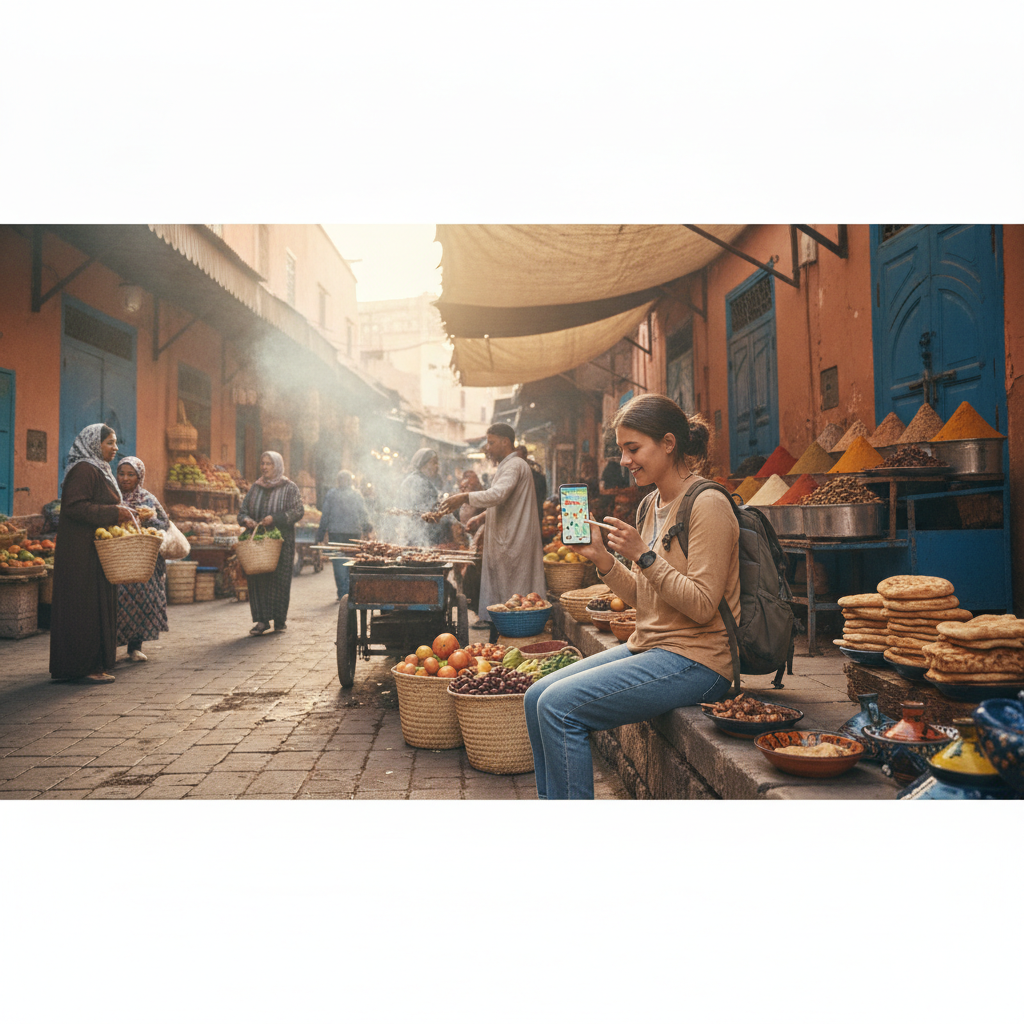
Street food clusters and public markets almost always sit near transit hubs — train stations, bus depots, ferry terminals — because that's where foot traffic is highest and prices stay competitive. When you study a city's transit map before arriving, you can identify these overlap points in advance. Mercado de San Juan in Mexico City, for example, sits in a part of the centro that's easily walkable from multiple metro lines. Planning even one or two meals around market locations near your transit routes means you're eating where locals eat without going out of your way. It's efficiency and authenticity working together.
Research Which Foods Are Regional and Which Are Tourist Exports
Not every dish that looks local actually is, and price often reflects that distinction. In coastal Thailand, fresh seafood at a night market is reasonably priced because it's abundant. In a landlocked part of the country, the same dish costs more and often tastes worse. Understanding what each region actually produces — through a quick read of culinary geography before your trip — helps you prioritize the foods that are both authentic and affordable in that specific place. Eating regionally isn't just a food philosophy; it's one of the most practical cost-cutting strategies you can bring to a trip.
Build a Short List of Backup Options for Each Area You'll Visit
Research works best when it's organized. For each neighborhood or area where you'll spend meaningful time, try to identify at least two or three street food options at different price points before you arrive. Apps like Google Maps let you save locations in advance, so you can build a pre-trip food map you can reference offline. Having a list reduces the cognitive load of deciding where to eat when you're tired or overwhelmed, which is exactly when people overspend. A short, curated list of backup options is one of the most underrated tools in practical travel planning.
Understand Timing and Peak Hours to Avoid Upcharge Dynamics
Street food vendors and market stalls often operate within tight time windows, and arriving at the wrong time means settling for whatever's nearby — usually at a higher price. In many Asian cities, the best and cheapest breakfast options are gone by 9 a.m. In parts of Europe, the affordable lunch specials disappear by 2 p.m. Researching the rhythm of a destination's food scene — not just where, but when — means you can time your meals strategically. That kind of timing awareness doesn't require a rigid schedule; it just requires knowing what to expect before the trip starts.
Factor In Free Samples and Tasting Culture Before Budgeting
Some destinations have a tasting culture baked into the street food experience. Mercado Central in Valencia often has vendors who encourage sampling before buying. Night markets across Taiwan function almost like a progression of small tastes rather than single sit-down meals. If you research this before arriving, you can budget accordingly — smaller amounts spread across more vendors rather than one large expenditure at a restaurant. Understanding that a destination is built for grazing rather than formal meals changes how much cash you carry and how you approach each block. That awareness is genuinely useful and costs nothing to acquire.
A little research before you board the plane doesn't take the spontaneity out of travel — it creates the conditions for better spontaneity. When you know where the food is, what it costs, and when to show up, you spend less time wandering and more time eating things you'll actually remember. Start with one neighborhood, pull up a local food blog, and save three spots before your next trip departs. That's a small habit with a real return.