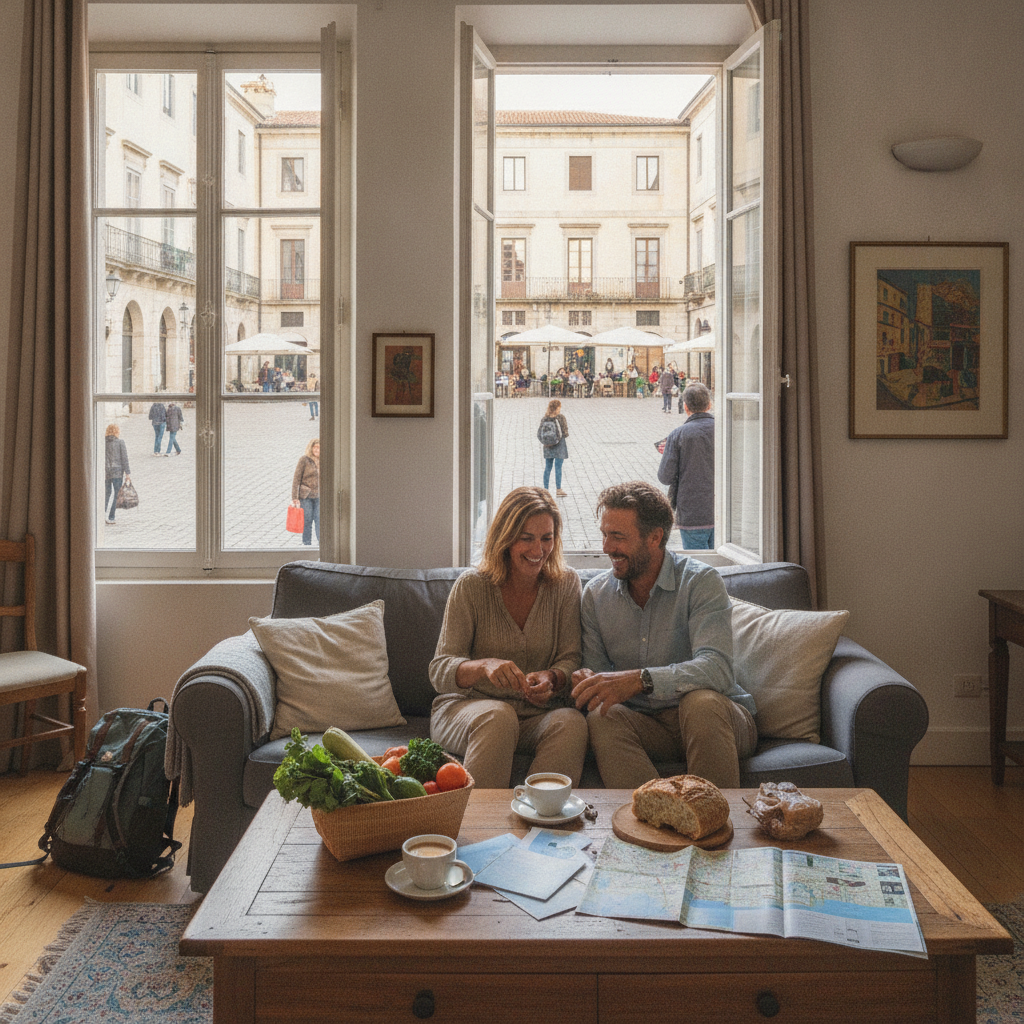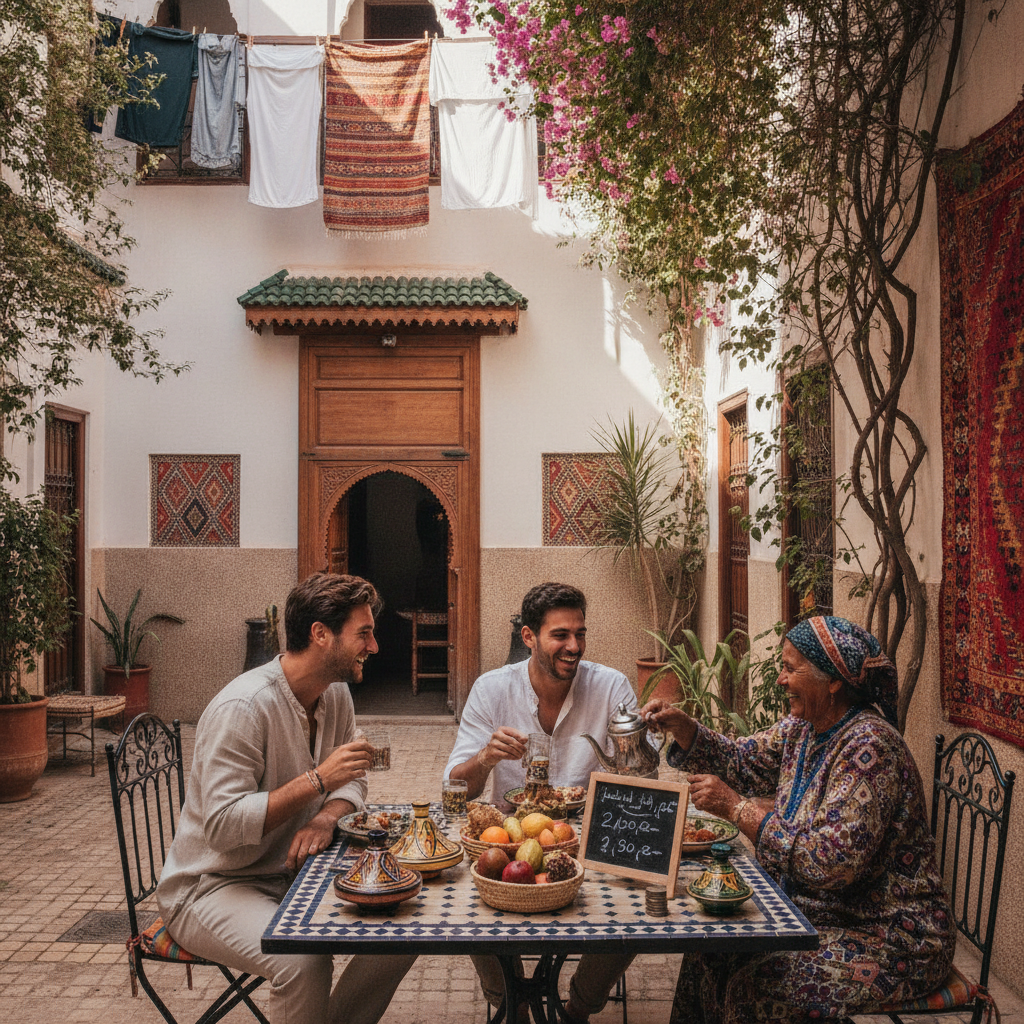
The place a traveler sleeps shapes more of the trip than most people anticipate. Beyond providing a bed, accommodations set the tone for every interaction, meal, and decision that follows — and the choice between a chain hotel and a locally owned guesthouse often determines whether a trip feels like a genuine encounter with a place or simply a branded experience that could exist anywhere.
Why Chain Hotels Create Distance From Local Culture
Chain hotels are engineered for predictability. From the lobby music to the breakfast buffet, they deliver a consistent experience designed to feel familiar regardless of geography. For frequent business travelers, that reliability has real value. For those seeking cultural depth, however, it creates an invisible barrier. Staying at a Marriott or Hilton in Lisbon or Chiang Mai means interacting primarily with staff trained to replicate a corporate standard, not share a regional one. The physical design, food sourcing, and staff priorities all point inward toward the brand rather than outward toward the destination.
What Locally Owned Guesthouses Actually Offer
A family-run guesthouse in Oaxaca, a ryokan in Kyoto's Gion district, or a riad in Fez each functions as a cultural artifact in its own right. The architecture reflects local building traditions. The food served at breakfast comes from nearby markets and recipes passed through generations. Owners and staff tend to be community members with genuine knowledge of the surrounding area — where locals eat, which markets are worth visiting, which neighborhoods feel different after dark. These aren't services available on a brochure; they emerge naturally from conversation and shared space.
The Real Cost Difference Between Accommodation Types
Locally owned guesthouses are frequently priced well below comparable chain hotels in the same city, particularly in popular international destinations. The savings aren't marginal. In cities like Porto, Medellín, or Hội An, a well-reviewed guesthouse often runs at a fraction of the rate charged by international brands in the same neighborhood. That gap compounds across a multi-week trip and frees up budget for experiences — meals at local restaurants, regional transportation, day trips — that further enrich the stay. The financial case is straightforward: less spent on the room means more available for the destination itself.
How Guesthouses Unlock Practical Local Knowledge
One of the most underrated advantages of staying in a locally owned property is access to real-time, ground-level information. A guesthouse owner in Tbilisi or a host in a Hội An family home knows which transport route has changed, which restaurant recently opened, and which attraction is currently overcrowded with tour groups. This kind of knowledge isn't available on travel apps and rarely appears in guidebooks. It comes from people who live where travelers are visiting. Platforms like Booking.com and Google Maps surface logistics; guesthouse owners surface context. That difference shapes the texture of an entire trip.
Finding and Vetting Quality Local Properties
Research is the key variable separating a memorable guesthouse stay from a disappointing one. Reading reviews on multiple platforms — including region-specific travel forums and local tourism boards — gives a clearer picture than any single source. Looking for properties with consistent praise across several years of reviews suggests reliability rather than a recent spike. Smaller boutique booking platforms that specialize in independent properties, such as i-escape or Mr & Mrs Smith, often curate options that general booking engines overlook. Direct communication with the property before booking is also worth the extra step; a responsive and knowledgeable host before arrival tends to predict a good experience throughout.
Making the Shift in Your Own Travel Planning
If your travel habit has defaulted to chain hotels — whether from loyalty points, familiarity, or convenience — shifting toward locally owned accommodations doesn't require abandoning all structure. Start by identifying one or two nights of a longer trip where you swap out the brand-name property for a highly rated independent guesthouse. Pay attention to what that change produces: conversations at breakfast, a different walking radius, a recommendation that leads somewhere unexpected. You may find that the savings are easy to document, but the gains in experience are harder to quantify and ultimately more durable. The goal isn't budget travel for its own sake — it's travel that costs less and gives more.
Choosing where to sleep is, in practical terms, choosing how much access a trip will have to the place being visited. Locally owned guesthouses offer that access at a lower price point, with a depth of character and local knowledge that chain properties aren't structured to provide. For travelers willing to research carefully and move slightly outside the familiar, independent accommodations consistently deliver both better value and a richer encounter with the world.