Most travelers plan around flights, hotels, and a rough list of sights — and then stumble into the good stuff by accident. That accidental stumble onto a village market, a waterfront fish auction, or a weekly souk is often the trip highlight they talk about for years. The thing is, none of that has to be accidental. Local market calendars are among the most underused planning tools available, and building your itinerary around them can simultaneously lower your food costs and push the quality of your experience far beyond what a standard tourist route ever delivers.
Markets as the True Pulse of a Place
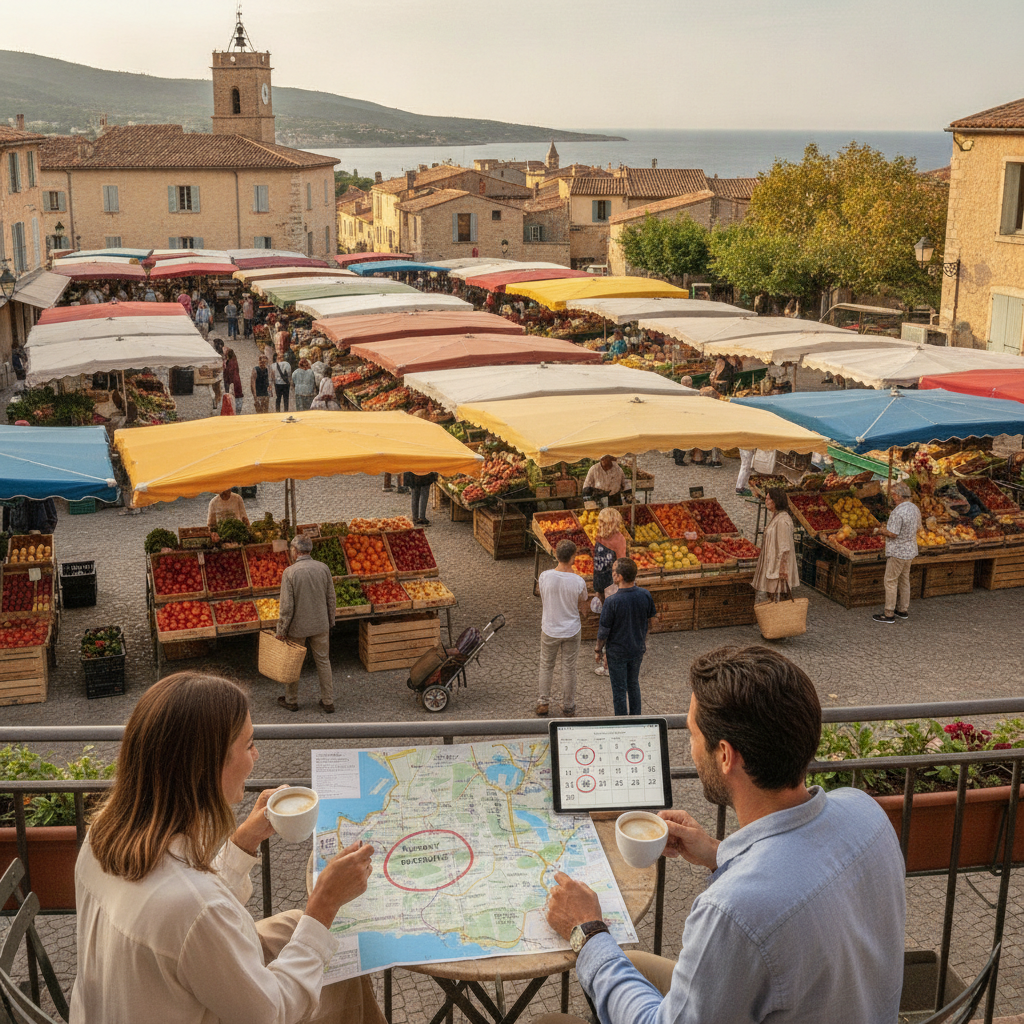
A destination's market day isn't just a commercial event — it's a cultural one. Weekly markets in places like Provence, Oaxaca, and rural Tuscany draw locals who rarely interact with the tourist economy at all. When you show up on market day, you're seeing the town as residents actually use it. Prices on produce, cheese, bread, and prepared food are set for locals, not for restaurants catering to visitors. That single distinction can meaningfully reduce what you spend on food each day, especially if you're staying somewhere with a kitchen or even just a mini-fridge.
How to Find Market Schedules Before You Book
The research takes less time than most people expect. Regional tourism boards often publish market calendars on their official sites — the Dordogne tourism website, for example, lists every commune's market day by month. Local Facebook groups and expat forums are surprisingly reliable for smaller villages that don't have polished web presences. Apps like Spotted by Locals and Wikivoyage destination pages frequently note market timing. A quick search combining the destination name with "marché," "mercado," or "weekly market" plus the country name gets you there fast. Doing this before you finalize dates gives you real scheduling flexibility.
Anchoring Your Arrival Day Around Market Access
One of the quieter wins in travel planning is choosing your arrival day to coincide with a major market within a day's reach. If a destination's main market runs on Thursday and Saturday, arriving Wednesday evening means you can hit both within your first three days. This front-loads your trip with rich, affordable experience before fatigue sets in. It also means you can stock up on local provisions early — good olive oil, regional charcuterie, fresh fruit — which quietly reduces what you spend at restaurants for the rest of the stay.
Using Market Timing to Build Low-Cost Meal Days
Street food and market stalls consistently offer some of the best value eating on any trip. In Marrakech's medina or Bangkok's Chatuchak weekend market, a complete, satisfying meal costs a fraction of what a sit-down restaurant charges — and the food is often more representative of what locals actually eat. Building two or three dedicated market meal days into your itinerary isn't a sacrifice; it's a strategy. Pair those days with your longer walking days, when you're covering more ground anyway, and you create natural breaks without needing to find a restaurant mid-route.
Planning Day Trips to Smaller Villages on Their Market Days
Many travelers base themselves in a regional hub and take day trips from there. Most skip the logistical question of what's actually happening in those villages on the day they plan to visit. A thirty-minute drive to a hilltop town feels very different when the weekly market is filling the main square versus when the streets are quiet and shuttered. Build your day-trip calendar around market days in the surrounding area, and each excursion becomes a richer, more complete experience — with built-in opportunity to eat cheaply and pick up a genuinely local souvenir rather than something manufactured for tourist shops.
Recognizing the Difference Between Tourist Markets and Local Ones
Not every market is created equal, and the calendar research helps you tell them apart. Some markets in heavily visited destinations have shifted almost entirely toward crafts and imported goods priced for tourists. The authentic counterparts — the ones where farmers, fishers, and bakers sell to their neighbors — often run earlier in the morning, in different neighborhoods, or on less prominent days of the week. In cities like Barcelona, the Boqueria on Las Ramblas runs daily and skews tourist-heavy, while the Mercat de l'Abaceria in Gràcia draws a fundamentally different, more local crowd. Knowing which is which before you arrive shapes where your euros actually go.
Aligning Accommodation Choices With Market Access
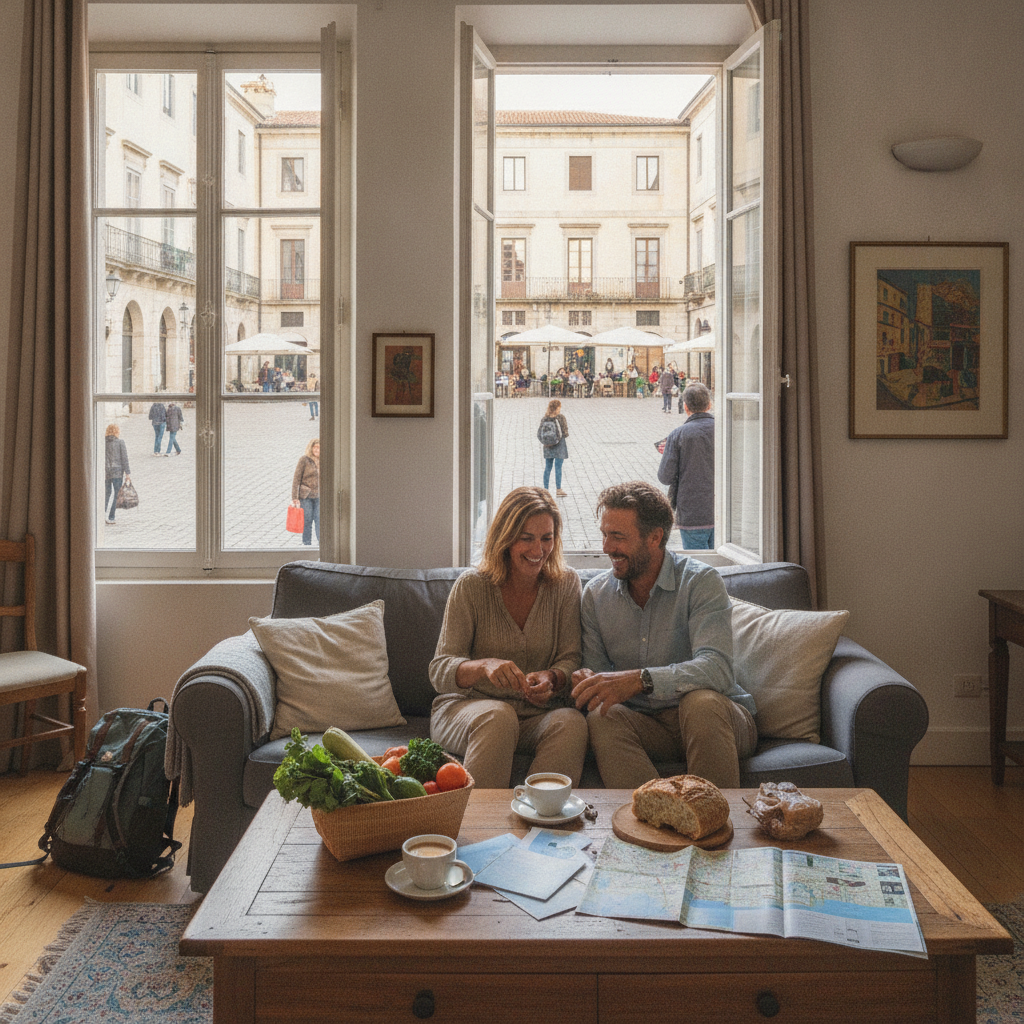
Where you stay and when the nearest market runs are more connected than most booking decisions acknowledge. An apartment rental a short walk from a weekly market gives you both the storage space to use what you buy and the location to use it without planning a special trip. If two neighborhoods offer comparable accommodation prices, the one with better market access on the days you'll be there is the obvious choice. This kind of alignment — matching lodging location to the rhythms of local life — is exactly what separates a trip that feels immersive from one that feels like a series of managed tourist stops.
Letting Market Schedules Inform Flexible Date Decisions
If your travel dates have any flexibility at all, market calendars deserve a place in the final decision. Extending a stay by one night to catch a twice-monthly artisan market, or shifting arrival by a day to overlap with a famous regional fair, costs relatively little in fare adjustments but pays off considerably in experience and savings. This is especially true in rural areas where the weekly market is the social and commercial center of town — missing it means missing something that won't be replicated by any museum visit or restaurant meal.
Building a trip around local market days takes maybe an extra hour of research before you book. That hour has a strong return — lower daily food costs, more authentic experiences, better-timed day trips, and a sense of being genuinely inside a place rather than passing through it. Start with one destination, pull up the regional tourism calendar, and see how quickly the itinerary starts to take shape around real local life.